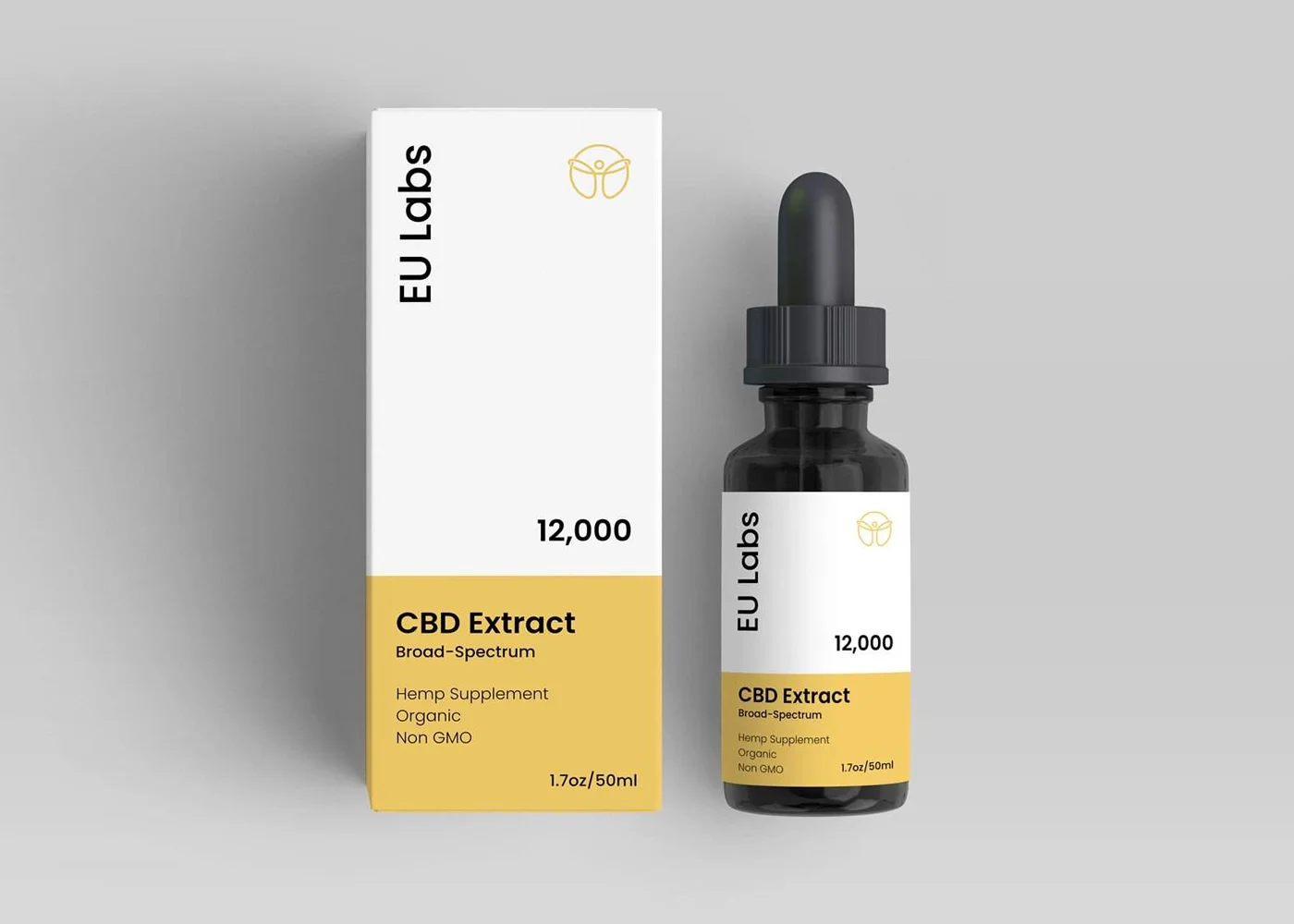
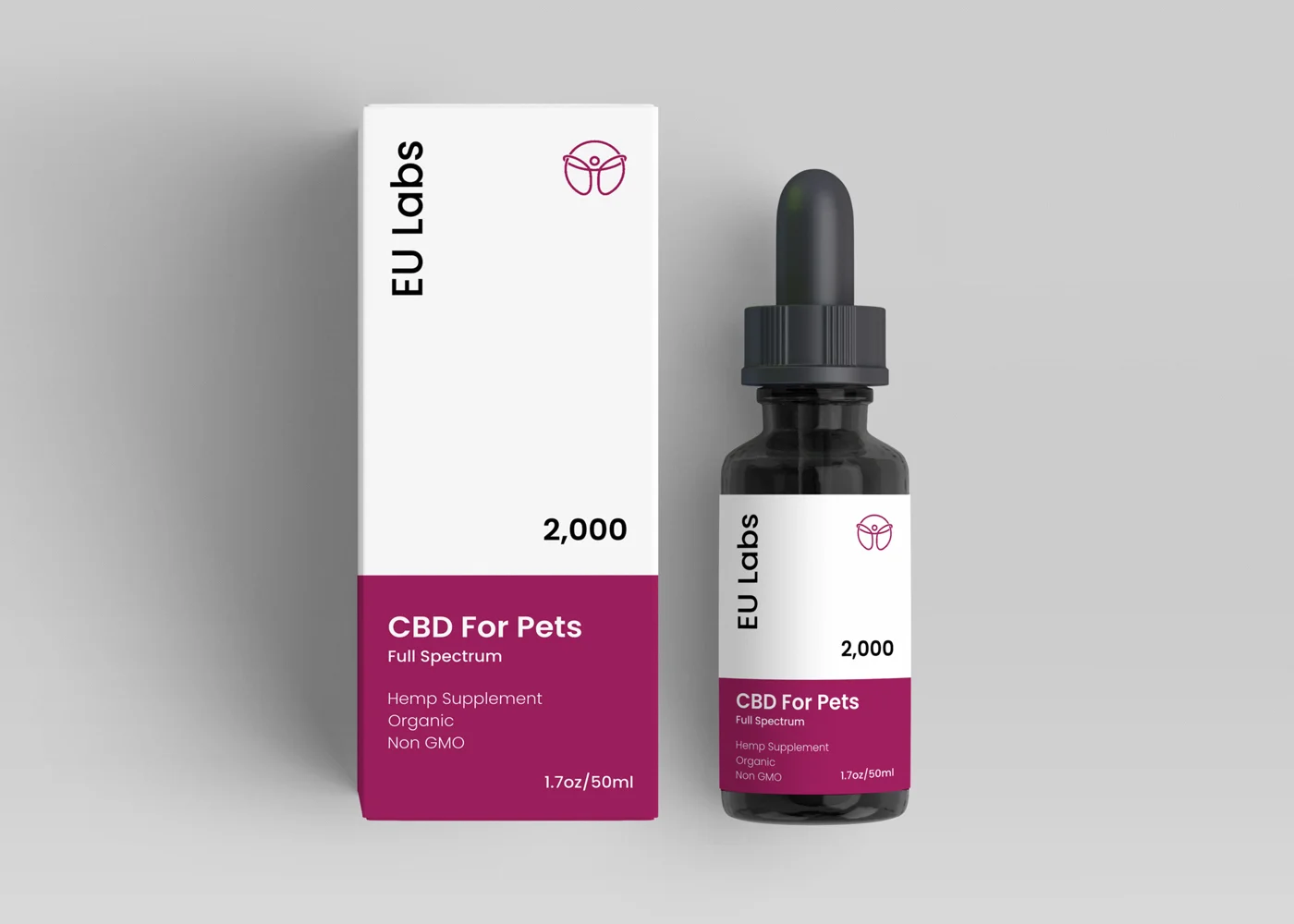
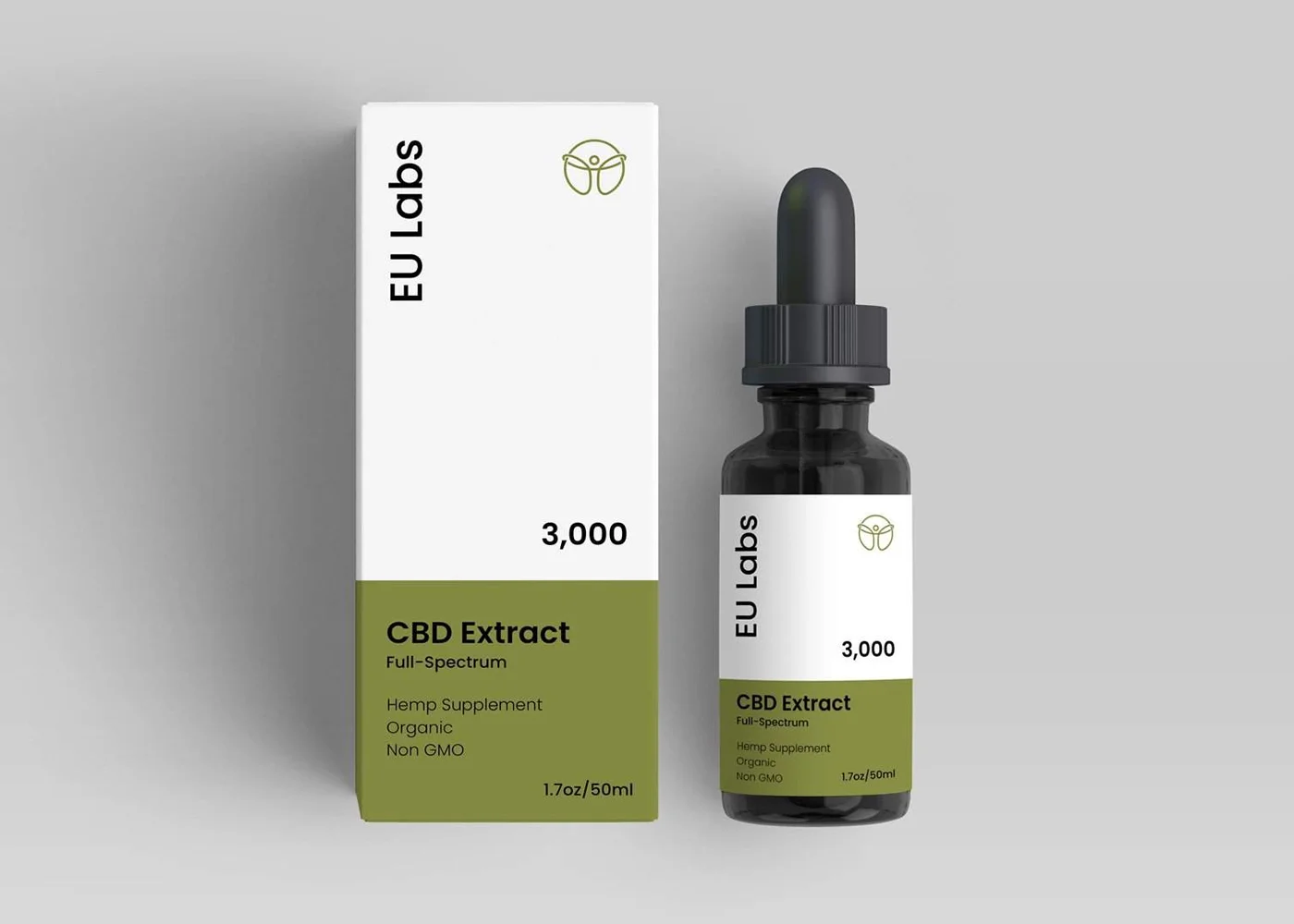
The most honest way to evaluate CBD oil strength in Sydney is to start with the Certificate of Analysis. A COA is the third-party lab report that ships with every batch — it confirms whether the mg number on the label is accurate, lists the actual cannabinoid concentrations, and verifies that the THC content sits at the declared level. Before you compare a 1000mg bottle with a 3000mg bottle, the COA is your ground truth. This guide starts there and works backwards: what the COA shows about strength, what the mg figure means on the label, how to convert it to a per-mL concentration, and what the CBD Oil Sydney range looks like in plain numbers for buyers in Sydney and NSW.
What a Certificate of Analysis tells you about strength
A COA from a third-party testing laboratory reports the cannabinoid content as a percentage of the tested sample. To cross-check the label number, the lab multiplies that percentage by the bottle volume. If the label reads 1000mg CBD in 50ml, the COA should confirm roughly 20mg/mL — a result within an acceptable tolerance (typically within five per cent for well-manufactured batches) shows the label is accurate.
This matters because CBD oil is sold by the milligram but tested by concentration. Two bottles with identical label claims from different manufacturers can differ in actual cannabinoid content if the production process is inconsistent. Asking for the COA before buying is not overcaution; it is the same due diligence you apply to any supplement. All CBD Oil Sydney products are third-party lab-tested by batch, and a Certificate of Analysis is available on request at enquiries@sydneycbdoil.com — quote the batch number printed on your bottle.
The COA also flags THC precisely. A full-spectrum label declares THC under 0.3%; the COA should show the actual measured figure. A broad-spectrum label declares 0% THC; the COA should confirm that reading at the test threshold. These are compositional facts — the lab's job is to measure them independently of the manufacturer.
What the mg number means on a CBD oil label
Once you trust the label (because the COA backs it), the next step is understanding what the mg figure actually represents.
The number is the total cannabinoid content in the whole bottle — not per dose, not per millilitre, not per day. A bottle labelled cbd oil 1000mg contains one thousand milligrams of CBD across its full volume. It does not mean each serving contains 1000mg.
Think of it the same way a nutrient panel works on food packaging: the declared amount refers to the defined quantity, not to your individual serving. Just as a product might state "100kJ per 100g" rather than per mouthful, a CBD oil label states total milligrams per bottle. The serving size is a separate figure — typically printed separately as the suggested use, based on the manufacturer's formulation.
Knowing this prevents a common misreading: a 3000mg label is not three times as potent as a 1000mg label unless the bottle sizes are identical. Volume is the missing variable. Always divide the total mg by the total millilitres to get a usable comparison figure.
Converting mg to per-mL concentration — the key calculation
The arithmetic takes ten seconds. All four strengths in the CBD Oil Sydney range use a 50ml MCT bottle, so the per-mL figures are fixed and consistent across the range:
| Label strength | Bottle volume | CBD per mL | Per 0.5ml dropper |
|---|---|---|---|
| 1000mg | 50ml | 20mg/mL | 10mg |
| 3000mg | 50ml | 60mg/mL | 30mg |
| 6000mg | 50ml | 120mg/mL | 60mg |
| 12000mg | 50ml | 240mg/mL | 120mg |
A standard dropper holds approximately 0.5ml of oil. Multiply 0.5 by the mg/mL figure and you have the per-serve amount. A 6000mg bottle at 120mg/mL delivers 60mg per 0.5ml dropper — the same physical amount of oil, a very different cannabinoid load compared to the 1000mg bottle.
This table is also the tool for comparing products from any supplier. If you encounter a 1000mg CBD oil in a 30ml bottle, the concentration is 33mg/mL — noticeably denser than the same label on a 50ml bottle at 20mg/mL. A higher number on the front of the box is not always a stronger oil. Check volume first; then divide.
CBD Oil Sydney CBD oil strengths: 1000mg to 12000mg
CBD Oil Sydney stocks four strengths across full-spectrum and broad-spectrum lines, each in a 50ml MCT bottle, lab-tested by batch. COAs are available on request.
Full-spectrum range (trace THC under 0.3%)
- CBD Oil 1000mg — Full Spectrum — $69.00 · 20mg/mL · 10mg per 0.5ml dropper
- CBD Oil 3000mg — Full Spectrum — $140.00 · 60mg/mL · 30mg per 0.5ml dropper
- CBD Oil 6000mg — Full Spectrum — $230.00 · 120mg/mL · 60mg per 0.5ml dropper
- CBD Oil 12000mg — Full Spectrum — $340.00 · 240mg/mL · 120mg per 0.5ml dropper
Broad-spectrum range (0% THC)
- CBD Oil 1000mg — Broad Spectrum — $69.00 · 20mg/mL
- CBD Oil 3000mg — Broad Spectrum — $140.00 · 60mg/mL
- CBD Oil 6000mg — Broad Spectrum — $230.00 · 120mg/mL
- CBD Oil 12000mg — Broad Spectrum — $340.00 · 240mg/mL
The distinction between full-spectrum and broad-spectrum is a single compositional fact: full-spectrum retains the hemp plant's naturally occurring trace of THC (under 0.3%); broad-spectrum has that THC removed to 0% through an additional processing step. The CBD content, the MCT carrier oil, the 50ml format, and the batch lab-testing are identical across both lines. If trace THC is something you want to avoid — a common consideration in NSW given drug-testing contexts — broad-spectrum is the straightforward choice.
CBG oil and CBN oil: different cannabinoids, same format
CBD Oil Sydney also carries CBG oil (cannabigerol) and CBN oil (cannabinol) at the same four strengths: 1000mg, 3000mg, 6000mg, and 12000mg in 50ml MCT bottles. These are distinct cannabinoids, not variants of the CBD line.
CBG — cannabigerol — is produced earlier in the hemp plant's growth cycle, before the plant converts it into other cannabinoids. CBN — cannabinol — is the other end of the chain; it is produced as THC degrades. The CBN oil in the CBD Oil Sydney range is a THC-free isolate: a single cannabinoid, nothing else. This is worth knowing if you are cross-referencing the COA — a CBN isolate COA should show one primary cannabinoid and confirm THC reads at zero.
Browse the full product range for all families and strengths in one view. If you want the composition detail on CBG specifically, the dedicated CBG oil page covers the compound and the range; the CBN oil page does the same for cannabinol.
Price-per-mg: comparing value across strengths
The per-mg cost is a straightforward way to see whether a higher strength represents better value. Divide the price by the total milligrams on the label:
| Strength | Price | Per-mg cost |
|---|---|---|
| 1000mg | $69.00 | ~9.0c/mg |
| 3000mg | $140.00 | ~7.3c/mg |
| 6000mg | $230.00 | ~6.5c/mg |
| 12000mg | $340.00 | ~4.9c/mg |
The pattern is consistent with most quality CBD oil ranges: the cost-per-mg falls as the strength rises. A 12000mg bottle delivers the same CBD per milligram at roughly half the per-mg cost of the entry 1000mg bottle. For buyers in Sydney who have already found a serving that works for them and want to reduce the frequency of reordering, the higher-strength bottles are the more efficient purchase.
That said, the entry-level 1000mg option at $69.00 is a reasonable starting point if you are new to the format and want to confirm the oil suits you before committing to a larger bottle. The label's suggested serving is the practical guide here — not a target milligram you should be chasing for a reason.
Reading the label's suggested serving
Every bottle in the CBD Oil Sydney range carries a suggested serving on the label. That figure is the manufacturer's recommended use for a typical adult. The standard practice is to begin at the serving shown and observe your response over several days before making any changes to the quantity.
This guide deliberately stops at the label maths. No article, guide, or product description can responsibly recommend a specific milligram amount for a specific person for a specific reason — that kind of guidance requires a healthcare professional who knows your medical history. If you want personalised advice about CBD oil quantities, a GP or pharmacist familiar with cannabinoid products is the right contact. The how-to-use guide on this site covers the practical side — dropper technique, administration, and storage — without making dosing claims.
From our CBD oil range
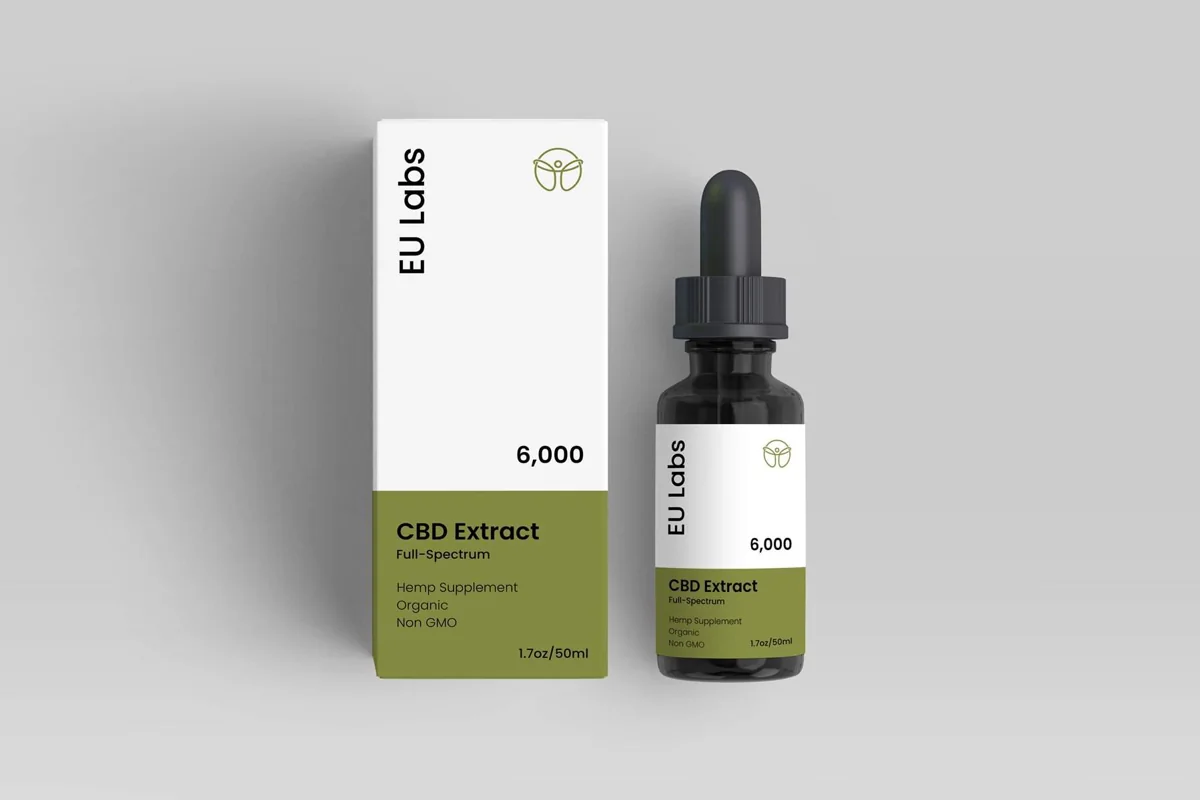
6000mg CBD Oil — Full Spectrum
Whole-plant hemp at higher strength — the full cannabinoid and terpene profile, with a legal trace of THC under 0.3%. 6000mg of CBD in a 50ml MCT bottle, 120mg per ml.
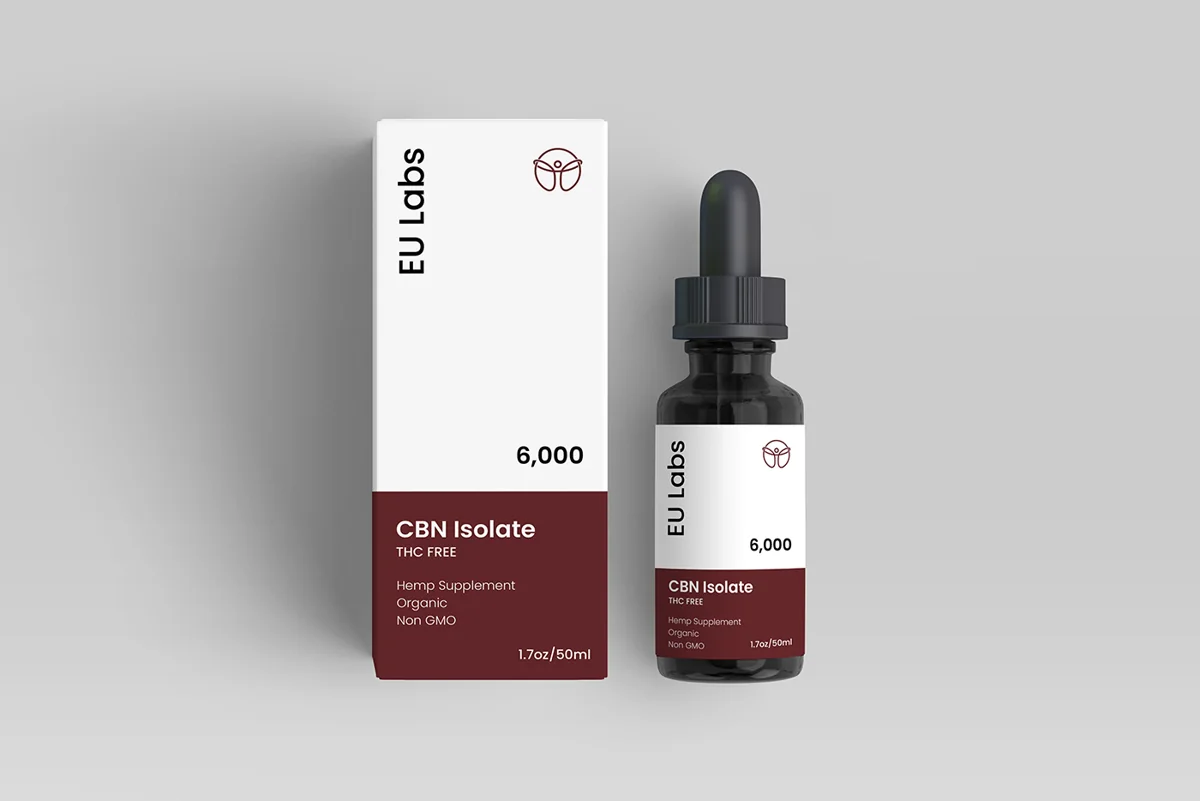
6000mg CBN Oil — Cannabinol
Cannabinol at higher strength. Forms as raw hemp ages; supplied as a THC-free isolate so you get that one cannabinoid alone. 6000mg in 50ml MCT, 120mg per ml.

1000mg CBG Oil — Cannabigerol
Cannabigerol — the parent compound a young hemp plant turns into the others as it grows. Less abundant than CBD, which is why CBG sits apart on cost. 1000mg in 50ml MCT, 20mg per ml.
Full-spectrum vs broad-spectrum: choosing by spectrum, not just strength
Once you have selected a strength, the remaining decision is spectrum. The COA frames this clearly: a full-spectrum report shows CBD plus minor cannabinoids plus a THC trace; a broad-spectrum report shows the same but with THC at zero.
For buyers in Sydney and the wider NSW region, the practical consideration is straightforward:
- If you prefer the whole-plant hemp extract profile — all naturally occurring cannabinoids and terpenes, THC trace and all — choose full-spectrum.
- If you want 0% THC but still want the broader cannabinoid range (not a single isolated compound), broad-spectrum is the correct option.
- If you want a single cannabinoid with no other compounds, the CBG and CBN isolate lines are designed for that.
The CBD Oil Sydney broad-spectrum guide and full-spectrum guide each cover the respective composition in detail if you want to compare them side by side before deciding.
Legality in NSW
CBD oil in NSW sits under the same national regulatory framework as the rest of Australia, administered by the Therapeutic Goods Administration. The relevant milestones: CBD was rescheduled in 2021 to allow pharmacist-only access at lower doses, though no product has been approved through that pathway in practice. Higher-strength and differently formulated cannabidiol products remain prescription-only, accessible through authorised prescribers.
The products CBD Oil Sydney sells are described by their composition: cannabinoid type, spectrum, mg per bottle, carrier oil, and THC percentage as confirmed by the batch COA. All products are for adults 18 and over and are not suitable for anyone pregnant or breastfeeding. The TGA website is the definitive source for current regulatory status.
Buying CBD oil in Sydney
CBD Oil Sydney is an online store dispatching across Sydney, Sydney CBD, Parramatta, Bondi, Chatswood, and Australia-wide. All prices are in AUD, orders are processed through a secure checkout, and the current product range — all four strengths, both spectrum lines, plus CBG, CBN, and pet oils — is on the products page. A Certificate of Analysis is available for every batch: email enquiries@sydneycbdoil.com with your batch number.
Frequently asked questions — CBD oil in Australia
What does the COA tell me about my CBD oil's strength? The COA reports actual measured cannabinoid concentrations from an independent laboratory, confirming whether the mg figure on the label is accurate. It also confirms the THC content against the label declaration. For full-spectrum products the COA should show THC under 0.3%; for broad-spectrum it should confirm THC at zero.
What does 1000mg CBD oil mean? It means the complete 50ml bottle contains 1000mg of CBD. Divide 1000 by 50 to get 20mg per millilitre. A standard 0.5ml dropper delivers 10mg per fill.
Is a higher mg number always a stronger oil? Only if the bottle sizes are identical. A 3000mg oil in a 50ml bottle (60mg/mL) is a different concentration to the same 3000mg label on a 100ml bottle (30mg/mL). Always divide total mg by total mL before comparing labels from different suppliers.
How do I calculate the cost per mg? Divide the price by the total mg. The 1000mg bottle at $69.00 works out to approximately 9.0c/mg; the 6000mg bottle at $230.00 is approximately 6.5c/mg. The per-mg cost falls at each higher strength in the CBD Oil Sydney range.
What is the difference between full-spectrum and broad-spectrum? Both are whole-plant hemp extracts and both declare their cannabinoid content in mg. The difference is one step in processing: full-spectrum keeps the natural THC trace (under 0.3%); broad-spectrum removes it to 0% THC. The CBD content, the MCT carrier, and the batch COA testing are the same across both. Buyers in Sydney choosing between the two are making a composition preference decision.
Can I request a Certificate of Analysis for my order? Yes. All CBD Oil Sydney products are third-party lab-tested by batch. Email enquiries@sydneycbdoil.com with the batch number printed on your bottle and we will send the matching lab report.
Where can I buy CBD oil in Sydney? CBD Oil Sydney ships to Sydney, Sydney CBD, Parramatta, Bondi, Chatswood, and across NSW and Australia. Browse the full range of CBD oils or return to the CBD Oil Sydney home page for an overview of the store.
Delivery to Sydney
If you are ordering from Sydney, delivery is domestic and tracked. CBD Oil Sydney dispatches to Sydney and across NSW — including Sydney CBD, Parramatta, Bondi, Chatswood, with the same batch-tested stock listed on the shop page. Ask for the Certificate of Analysis for your bottle's lot number at any point.
Reading the strength on a label
| Bottle | Total cannabinoid | Per 1 ml | Bottle size |
|---|---|---|---|
| 1000 mg | 1000 mg | 20 mg | 50 ml |
| 3000 mg | 3000 mg | 60 mg | 50 ml |
| 6000 mg | 6000 mg | 120 mg | 50 ml |
| 12000 mg | 12000 mg | 240 mg | 50 ml |
The headline number is the whole bottle, not a single serve — divide by the bottle volume to compare products honestly.