CBD vape australia sits at the intersection of two distinct regulatory frameworks — one covering cannabidiol as a scheduled substance, the other covering vaping devices and liquids. That intersection is what makes cbd vape one of the more legally complex CBD product categories in this country, and why no CBD vape product is currently listed on the Australian Register of Therapeutic Goods (ARTG) for over-the-counter sale. CBD Oil Sydney does not sell vape products. We stock CBD oil — the same hemp-derived cannabinoid, taken as oral drops — available now in Sydney and delivered across NSW.
This page is a factual guide to CBD vape australia — not a sales pitch for a product we carry. It explains both regulatory frameworks, what a CBD vape product actually contains, the national rule changes that came into effect in 2023, why there is currently no approved over-the-counter pathway for CBD vaping in Australia, and how CBD oil differs as a delivery format for the same cannabinoid. Zero health claims throughout.
The two regulatory frameworks that apply to CBD vaping
The complexity of CBD vape australia comes from the fact that a single product sits under two separate legal areas at once. Understanding each framework on its own terms is the starting point.
Framework one — CBD as a scheduled substance: Cannabidiol in Australia is regulated by the Therapeutic Goods Administration (TGA) as a therapeutic good. In 2021 the TGA down-scheduled low-dose CBD — products up to 150 mg per day — from Schedule 4 (prescription-only) to Schedule 3 (pharmacist-only). This opened a theoretical over-the-counter pathway, but only for products that have been assessed and listed on the ARTG. Without an ARTG listing, a CBD product cannot legally use that Schedule 3 channel. The TGA remains the authority on which products are approved and how they may be supplied.
Framework two — vaping devices and liquids: Australia significantly tightened its rules on vaping products under changes that took effect progressively from 2023. From 1 January 2024, all disposable vaping products were banned from import and sale. Nicotine vaping products are now available only through pharmacies to patients holding a valid prescription. These rules apply to vaping products by category — that is, the device plus the liquid intended for inhalation. A product that uses a vaping device and a vapeable liquid falls within this framework regardless of whether the active ingredient is nicotine, cannabidiol, or anything else.
Where they intersect for CBD vaping: A cbd vape product — hemp-derived cannabidiol in a liquid formulated for a heating device — is simultaneously a CBD product subject to TGA scheduling and a vaping product subject to the device/liquid rules. There is no dedicated approved pathway that sits cleanly inside either framework for this product type. No CBD vape product holds an ARTG listing for over-the-counter sale in Australia. This is the core regulatory reality of cbd vape australia: two overlapping frameworks, no dedicated approved channel. For the current position, the TGA's consumer CBD page is the authoritative reference.
What a CBD vape product contains
Regulatory position aside, it is useful to understand what CBD vape products are made of — both the liquid and the hardware — because the composition has practical implications for how cbd vape compares to CBD oil as a format.
The vape liquid: The active ingredient in a cbd vape product is a hemp-derived CBD extract, which can be presented as isolate (pure cannabidiol only), broad-spectrum (multiple cannabinoids with THC removed to 0%) or full-spectrum (whole-plant, trace THC under 0.3%). The extract is dissolved in a carrier suited to heating and vaporisation — typically propylene glycol, vegetable glycerin, or a specialist MCT formulation designed for inhalation rather than oral use. This is a different formulation to the coconut-derived MCT carrier used in a sublingual CBD oil; the two are not interchangeable. Milligram strength and spectrum type are labelled on the product, following the same convention as oils.
The device: The liquid cannot be used without a vaping device. Options range from disposable pens — pre-filled and single-use — to refillable cartridge systems where the liquid is purchased and loaded separately. In either case the device heats the liquid to a temperature that vaporises it without combustion. The device is a required component of the product, not an optional accessory.
The delivery route: Inhalation via the lungs. This is the fundamental distinction from oral delivery. The vapour is drawn into the lungs, and the cannabinoid reaches the bloodstream from there rather than from the digestive system.
The 2023 vaping rule changes and what they mean nationally
Australia's vaping rules tightened in stages from 2023. The Therapeutic Goods and Other Legislation Amendment (Vaping) Act 2024 amended the Therapeutic Goods Act 1989 to end general retail sale of vaping products; from 1 January 2024, disposable vaping products became prohibited from retail sale; from 1 March 2024, commercial importation of disposable vapes was banned. Nicotine vaping products now sit in the pharmacy-with-prescription pathway — and for cbd vape products, no equivalent approved pathway exists.
These changes apply nationally — including in Sydney and across NSW — and they affect any product using a vaping device and a liquid intended for inhalation. For CBD vape products specifically, the absence of any ARTG listing means there is no compliant over-the-counter supply pathway available, quite apart from the vaping-device rules. That double barrier is what makes cbd vape australia such a legally unsettled product category. For a definitive account of what is permitted, the TGA website is the only authoritative reference.
No ARTG-listed CBD vape product: what that means in practice
An ARTG listing is the gateway to legal over-the-counter supply of a CBD product in Australia. A manufacturer must demonstrate the product meets the TGA's standards for quality, safety and efficacy. Achieving that listing for an oral CBD oil is already demanding and expensive; no manufacturer has yet brought a CBD vape product through that process for the Australian market. CBD vape australia therefore has no ARTG-cleared over-the-counter pathway.
In NSW and nationally, CBD vape products continue to circulate online, classified in various ways by various sellers. Whether any specific product is legally compliant in Australia depends on its composition, regulatory classification and how it is supplied. That determination belongs to the TGA and to the seller's own legal position, not to us.
CBD vape compared to CBD oil: the key differences
Both formats start from the same place: hemp-derived cannabidiol. Below is a factual comparison of the two delivery systems.
Delivery and absorption route: CBD oil is taken orally — either held under the tongue for sublingual absorption or swallowed and processed via the digestive tract. CBD vape is inhaled via a heated device; the cannabinoid enters via the lungs. These are genuinely different physiological routes, and the practical experience of using cbd vape versus an oral oil differs accordingly.
Formulation and carriers: An oral CBD oil uses a food-grade carrier — typically coconut-derived MCT oil — combined with a hemp extract, formulated for the mouth and digestive system. A cbd vape liquid uses carriers suited to heating: propylene glycol and vegetable glycerin. The formulations are product-specific and not interchangeable.
Equipment: An oral oil needs only the dropper it comes with. A cbd vape product requires a compatible device — battery, heating element and either a disposable pen or a refillable cartridge — adding hardware cost, device maintenance, and in Australia's current regulatory environment, the challenge of sourcing a legal device.
Regulatory position: An oral CBD oil formulated as a therapeutic good sits inside a defined (if demanding) pathway — TGA assessment, ARTG listing, Schedule 3 supply through pharmacies. A cbd vape product sits at the intersection described above: CBD scheduling plus vaping-device rules, with no approved product currently navigating that intersection.
Neither format is categorically superior as a delivery vehicle for hemp-derived CBD. They are different products built around the same cannabinoid — the key difference is that cbd vape uses an inhalation route, CBD oil uses an oral one, and in Australia those two routes currently sit in very different regulatory positions.
From our CBD oil range
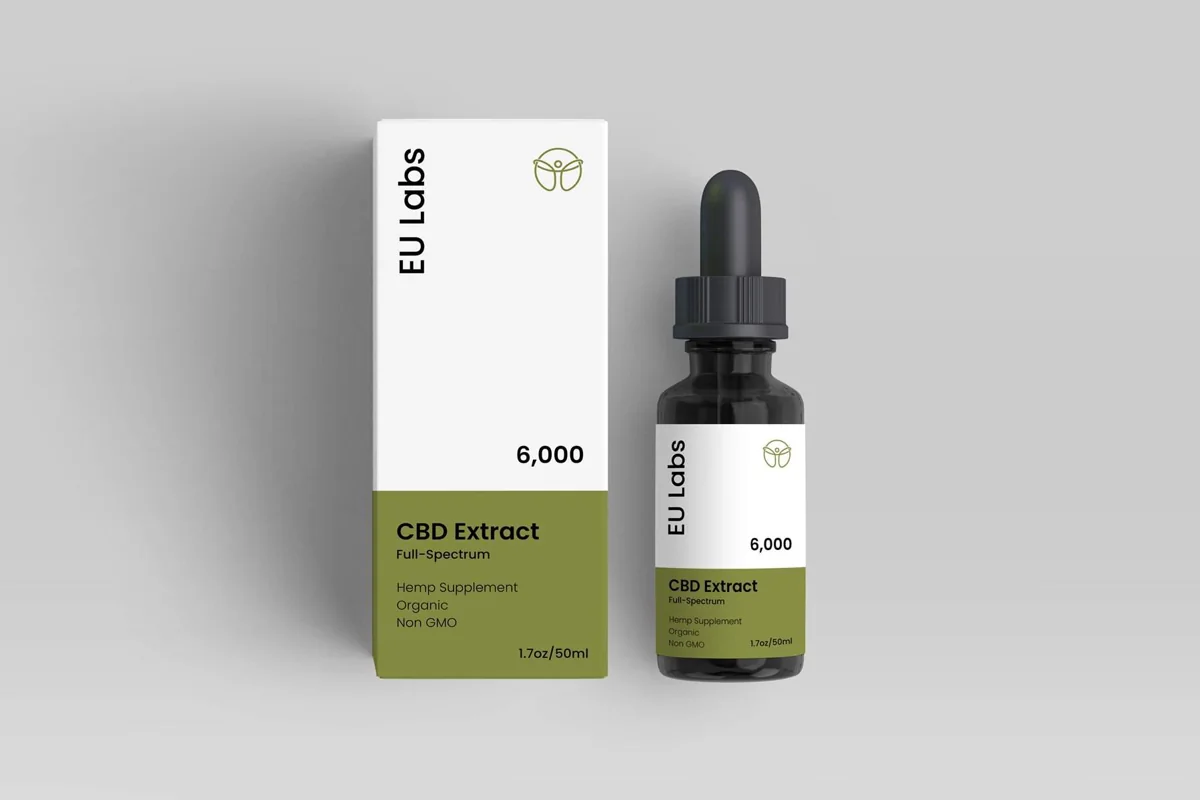
6000mg CBD Oil — Full Spectrum
Whole-plant hemp at higher strength — the full cannabinoid and terpene profile, with a legal trace of THC under 0.3%. 6000mg of CBD in a 50ml MCT bottle, 120mg per ml.
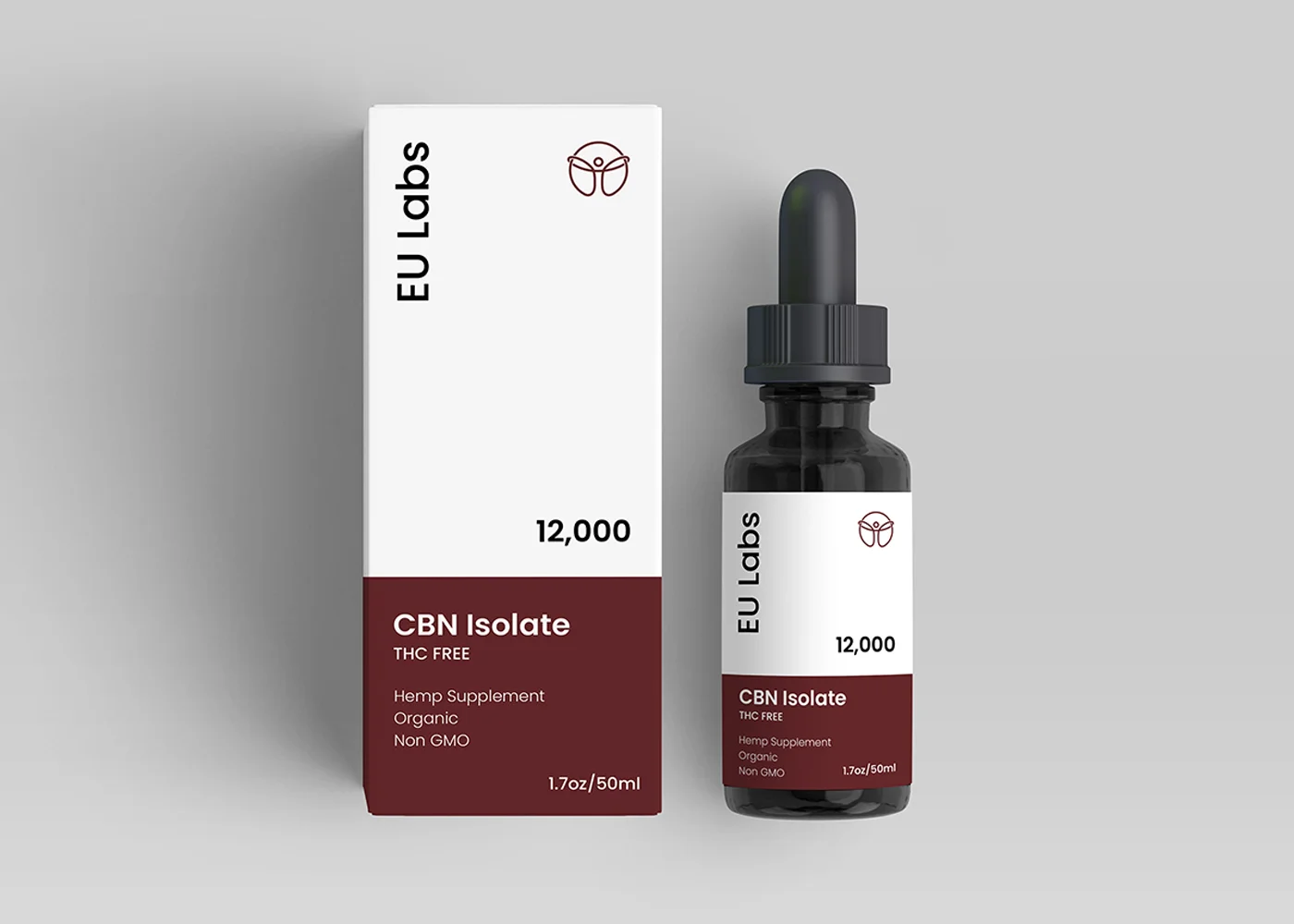
12000mg CBN Oil — Cannabinol
Our strongest cannabinol oil. CBN forms as raw hemp ages and is supplied here as a THC-free isolate — that single cannabinoid, on its own. 12000mg in 50ml MCT, 240mg per ml.
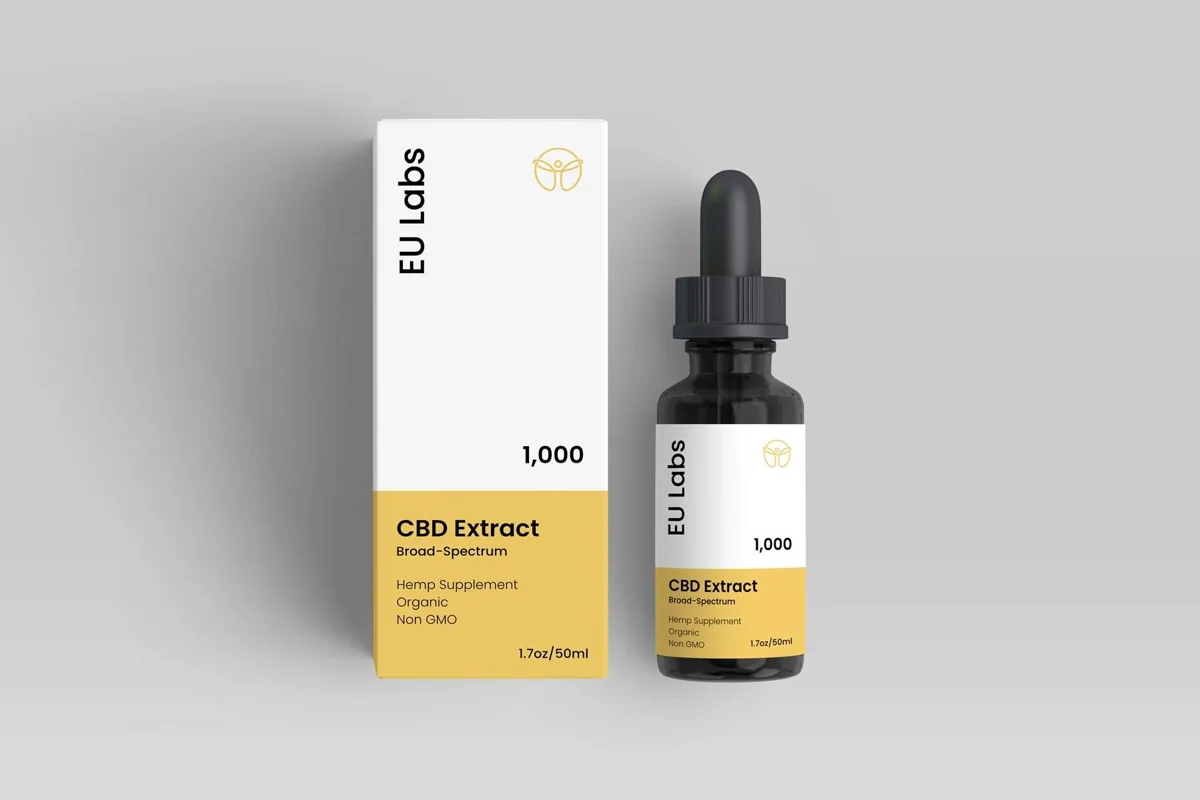
1000mg CBD Oil — Broad Spectrum
Broad-spectrum hemp with the THC stripped out. You keep the wider band of cannabinoids and terpenes; the THC reads zero. 1000mg of CBD in a 50ml MCT bottle, 20mg per ml.
Our Sydney range: CBD oil, not vape products
CBD Oil Sydney does not stock CBD vape products and has no plans to do so while the regulatory position remains as described above. What we do offer is a full range of CBD oil — hemp-derived cannabidiol in oral drop format, lab-tested by batch, imported from EU Labs in Amsterdam and dispatched to Sydney CBD, Parramatta, Bondi, Chatswood and across NSW.
Our five product families, available now:
- 1000mg Broad-Spectrum CBD Oil — whole-plant hemp extract, 0% THC, coconut-derived MCT carrier. $69.00 per 50ml bottle.
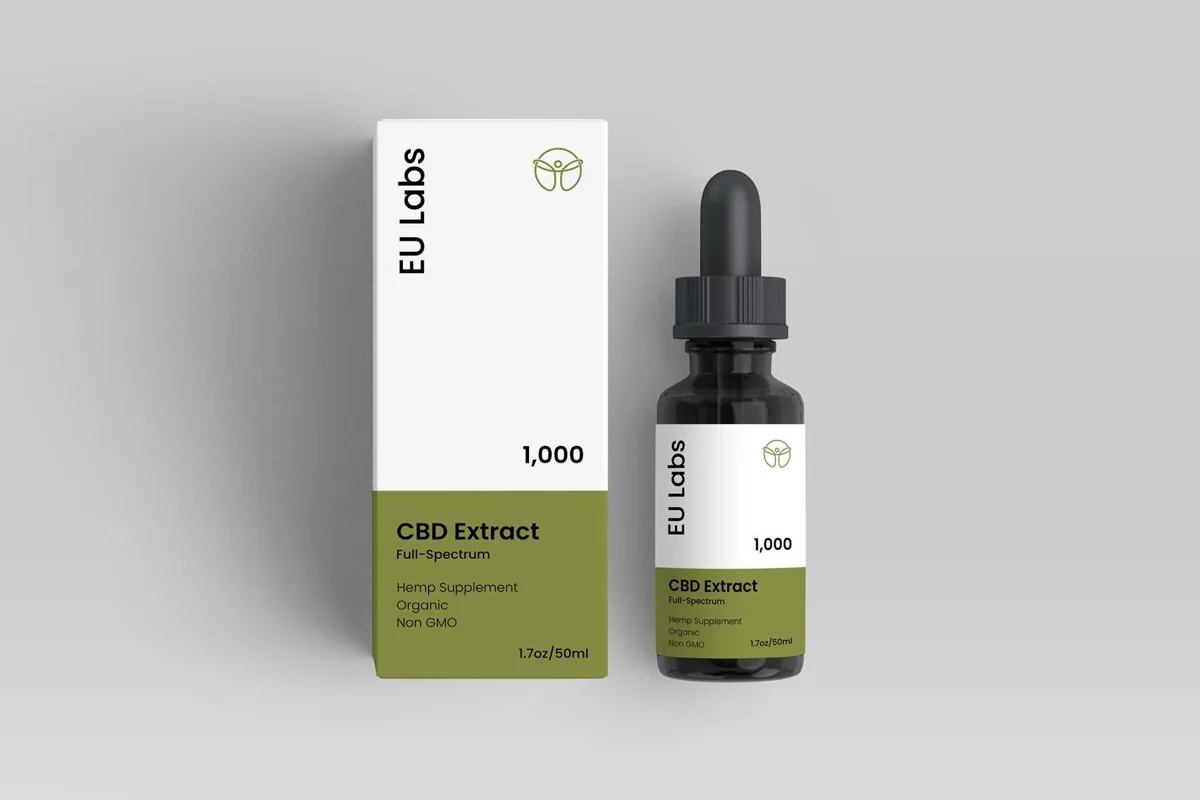
- 1000mg Full-Spectrum CBD Oil — whole-plant hemp extract, trace THC under 0.3%, MCT carrier. Also $69.00.
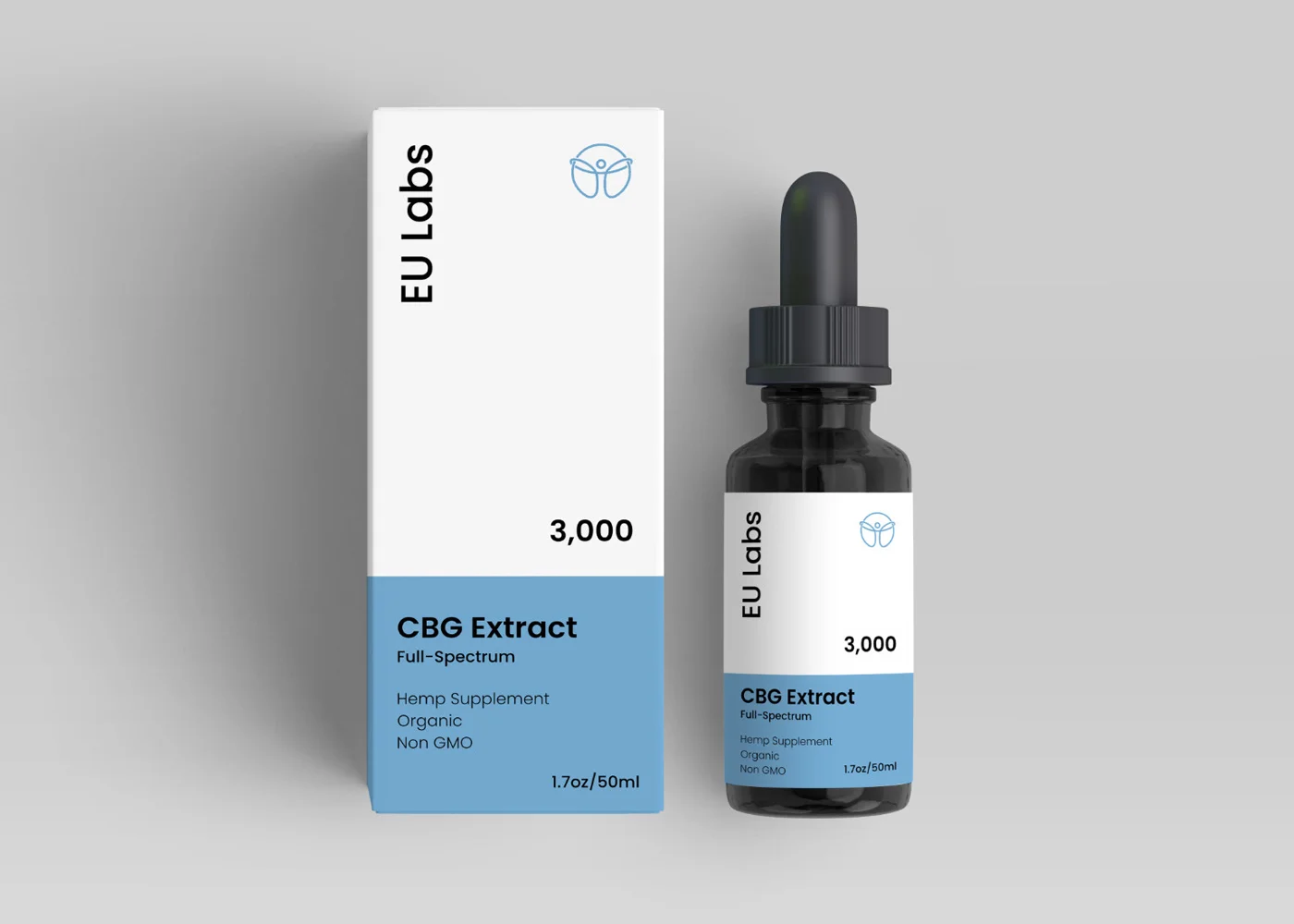
- CBG Oil — Cannabigerol — cannabigerol, a distinct hemp-derived cannabinoid, in MCT oil. From $69.00.
- CBN Oil — Cannabinol — cannabinol isolate, THC-free, MCT carrier. From $69.00.
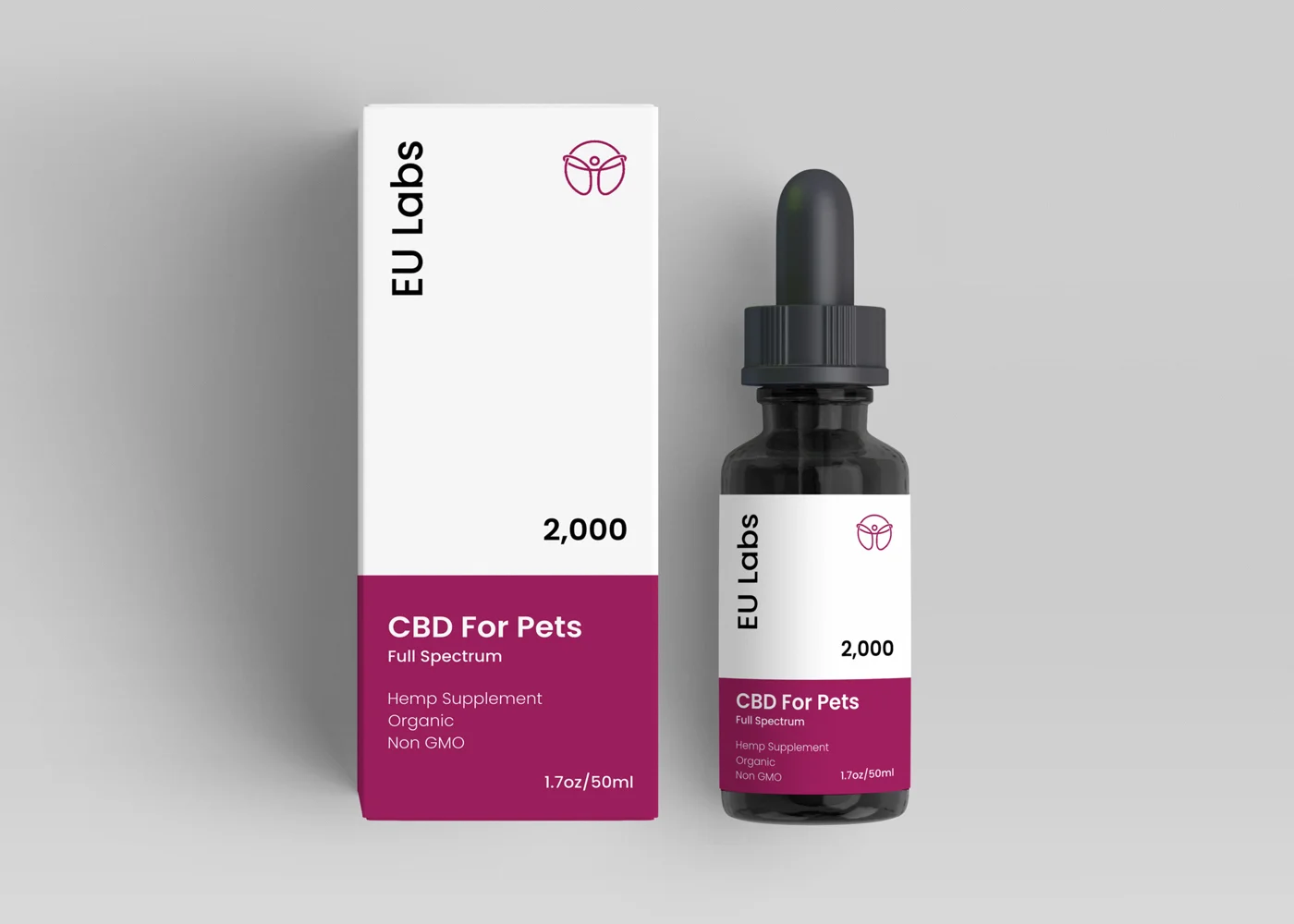
- 2000mg Pet CBD Oil — pet-formulated hemp-derived CBD in MCT carrier, no human-targeted additives. $110.00.
Every product is third-party lab-tested by batch; a Certificate of Analysis is available on request. Browse all current products and prices on the shop page.
If you arrived here searching for CBD vape australia and are now considering whether an oral CBD oil covers what you need: the central question is whether you are after the cannabinoid itself or specifically the inhalation delivery format. If the hemp-derived CBD is the priority, our oil range carries the same active ingredient across five formulations, without a device, with a clear regulatory position, and posted to your Sydney address. The guide to using CBD oil explains how to read label figures once your order arrives.
Common questions about CBD vaping in Australia
Is CBD vape legal in Australia? CBD is regulated by the TGA; no CBD vape product holds an ARTG listing for over-the-counter sale. Vaping products face additional national rules under the 2024 amendments. CBD vape australia therefore sits without a clear approved retail pathway. The TGA website is the authoritative reference for the current position.
Why are there two regulatory frameworks involved? A CBD vape product is simultaneously a cannabidiol product (subject to TGA scheduling) and a vaping device-and-liquid product (subject to the Therapeutic Goods and Other Legislation Amendment rules). That is why cbd vape australia has no single, clean regulatory home — it sits at the intersection of both frameworks, with no dedicated approved pathway currently in place.
What changed in 2023 for vaping in Australia? National vaping rules were tightened in stages from 2023. From 1 January 2024 retail sale of disposable vaping products became prohibited; nicotine vapes moved to a pharmacy-prescription-only channel. These changes apply nationally, including in Sydney and NSW.
Do you sell CBD vape products in Sydney? No. CBD Oil Sydney sells oral CBD oil — full-spectrum, broad-spectrum, CBG, CBN and pet formulations — posted across Sydney CBD, Parramatta, Bondi, Chatswood and the rest of NSW. Browse the full range, or read the how-to-use guide for practical guidance on oral drops.
Ordering from Sydney
CBD Oil Sydney ships tracked orders to Sydney and across NSW — including Sydney CBD, Parramatta, Bondi, Chatswood. Orders are dispatched domestically, so there is no international customs step and no import paperwork for you to complete. Every bottle carries a batch number, and the matching Certificate of Analysis is available on request.
Comparing any two CBD oils
| Check | Why it matters |
|---|---|
| mg per millilitre | The only fair way to compare price between bottle sizes |
| Spectrum | Full, broad and isolate are different products |
| THC figure on the COA | A measured result, not a marketing claim |
| Batch-specific testing | A COA must match your lot number |
| Where it ships from | Domestic dispatch avoids the customs step |